
English| EUR
Suggested for you
More currencies
Choose a language
Venice's gondolas operate through a network of licensed stazi scattered across six districts, each staffed by certified gondoliers bound by municipal tariffs. The gondola ride Venice official website framework connects travelers to these authorized operators, ensuring transparency in a city where unauthorized touts remain a persistent problem. Knowing which stations serve which routes—and how the pricing structure actually works—makes the difference between a genuine Venetian passage and an overpriced detour.
Quick answer
Licensed gondola stations throughout Venice operate daily from 09:00 to 19:00, with standard 30-minute daytime rides priced at €90 per boat for up to five passengers. This tariff is set by the Ente Gondola municipal authority and applies uniformly across all authorized stazi. Early morning departures between 09:00 and 11:00 offer cooler temperatures and quieter canals before the afternoon rush builds along the Grand Canal and Rialto approaches.
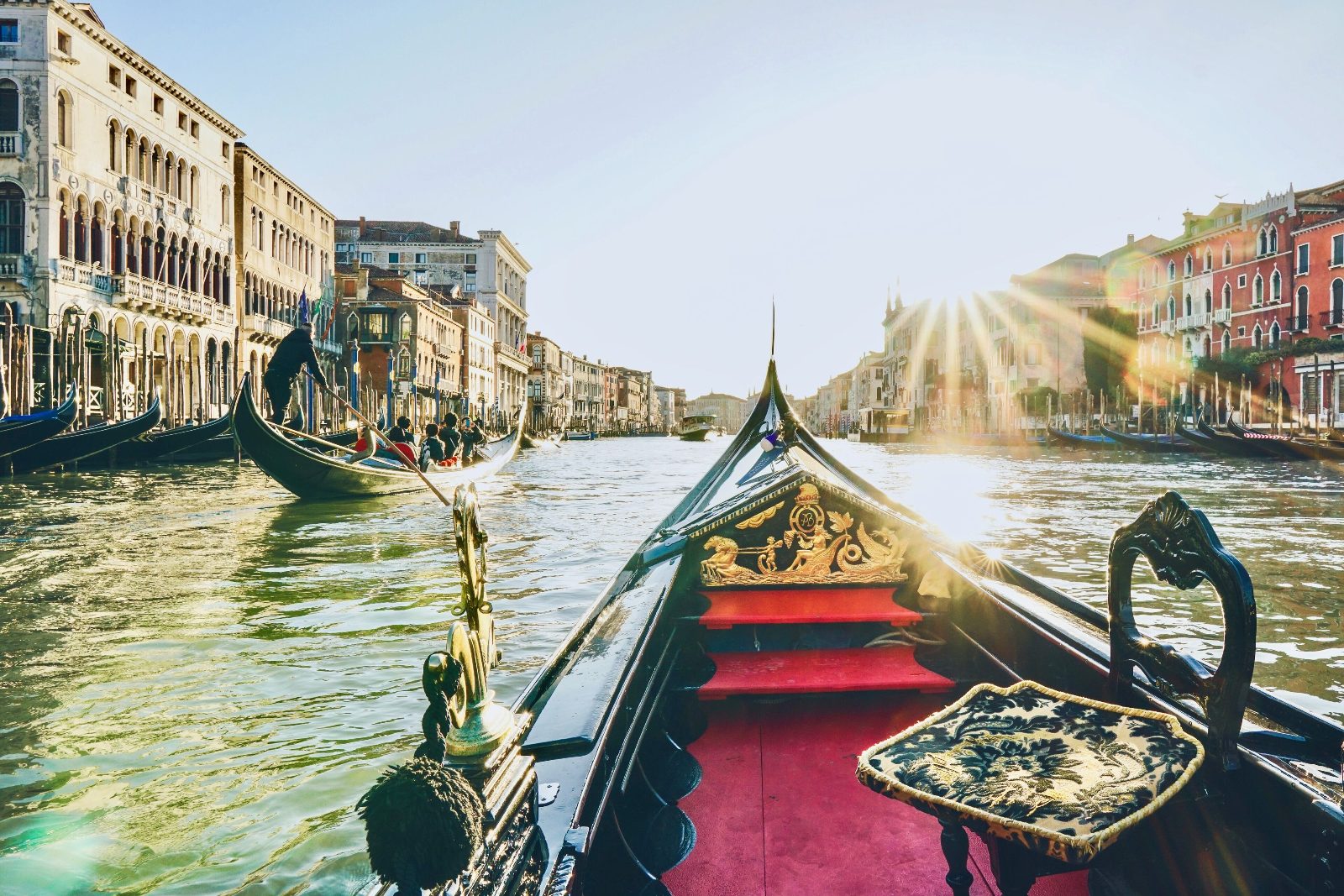
Venice maintains roughly 400 licensed gondolas distributed among seventeen official stazi, each marked by the distinctive striped pali mooring posts that have guided lagoon traffic for centuries. The gondola ride Venice official website structure exists not as a single portal but as a federation of authorized operators—each stazione is independently managed yet bound by the same municipal rate card established in 1994 and updated periodically to reflect maintenance costs and gondolier training standards. This decentralized model preserves the centuries-old guild system while providing legal protections for visitors navigating a city where unauthorized water taxis and unlicensed operators actively solicit along tourist corridors. The tariff itself reflects the craft's unique economics: each gondola requires annual careening and re-lacquering at one of Venice's three remaining squeri boatyards, where traditional forcola oarlocks are still carved by hand from walnut. A single gondola costs upward of €40,000 to build and demands constant upkeep in saltwater that corrodes hulls and warps asymmetric planking. Gondoliers complete a rigorous two-year apprenticeship studying Venetian maritime law, canal navigation, and the voga veneta rowing technique that allows a single oarsman to pilot an eleven-meter vessel through S-curves barely wider than the boat itself. That training shows in the seamless turns beneath the Rialto Bridge and the precise docking maneuvers at narrow sottoportego water gates. Official booking channels include direct contact with licensed stazi—identified by posted rate cards in Italian and English—or vetted third-party platforms that partner with the Ente Gondola cooperative. Morning departures consistently deliver the clearest views across the Bacino di San Marco toward San Giorgio Maggiore, before afternoon heat radiates off stone facades and canal traffic compounds into gridlock near the Accademia Bridge. The gondola ride Venice official website guide emphasizes station selection: outlying stazi in Cannaregio or Dorsoduro offer immediate departure availability and access to quieter residential canals, while central stations near Piazza San Marco command premium wait times but shorter routes. Verifying a gondolier's license number—displayed on a visible badge—remains the simplest fraud prevention measure in a city where authenticity and imitation exist in uncomfortably close proximity.
“A single gondola costs upward of €40,000 to build and demands constant upkeep in saltwater that corrodes hulls and warps asymmetric planking.”
The cost of a gondola ride in Venice is established by official municipal regulations for a standard 30-minute excursion. Prices are set per boat rather than per individual passenger.
Verdict: A typical group pays 90 EUR for a 30-minute daytime ride, with the total cost remaining the same regardless of the number of passengers up to the five-person limit.
Gondola services operate daily throughout Venice, maintaining consistent hours throughout the week to accommodate visitors. These hours reflect the standard availability for licensed gondoliers across the city.
The best arrival window is 09:00–11:00 to avoid mid-day heat and peak afternoon congestion in the canals. Planning your visit during this morning timeframe ensures a more tranquil experience on the water.
Mild temperatures around 15–20°C. Pleasant conditions for navigating the canals during the morning hours.
Cooler weather ranging 12–18°C. Lower humidity makes the morning ride comfortable.
Hot temperatures exceeding 28°C. Morning visits are essential to avoid the heat and heavy canal congestion.
—
Quiet canals provide the most efficient route and a calmer atmosphere for your journey.
Verdict: The optimal time for a gondola ride is weekday mornings between 09:00 and 11:00 during the months of April or October.
Gondola rides in Venice depart from various licensed 'stazi' (gondola stations) situated throughout the city. The most practical way to reach these stations is by utilizing the city's pedestrian network or the public water bus system (vaporetto).
Walk through Venice city center to a designated stazio
Vaporetto Line 1 or 2 to stops like Rialto or San Marco
Water taxi to the nearest accessible canal landing
To ensure a legitimate experience, look for official station signage at recognized stazi locations. Planning your arrival between 09:00–11:00 is recommended to avoid mid-day heat and peak afternoon congestion in the canals.
Gondoliers follow centuries-old traditions and expect passengers to respect the working nature of the boat. Proper conduct ensures safety and preserves the experience for everyone on board.
Everything you need to know about gondola ride venice official website
While many third-party operators exist, travelers seeking the gondola ride venice official website should verify they are booking through licensed local associations. Always check that the platform clearly displays authentic fare structures before confirming your trip.
The current standard rate is 90 EUR per boat for a 30-minute daytime session. This fee is regulated and applies to the vessel, not per individual passenger.
A standard canal traversal lasts 30 minutes, allowing sufficient time to navigate both major waterways and quieter, narrow backstreets. If you prefer a longer route, you must negotiate the additional time and cost with the gondolier directly before departing the stazio.
Using a verified gondola ride venice official website ensures you pay the standardized local rates without hidden booking markups. Ensure you are not confusing official municipal information with private tour agency marketing.
Yes, the 90 EUR fee covers up to five passengers per boat, making it an economical choice for small groups. Sharing the vessel allows you to split the cost while enjoying the same traditional experience.
The best arrival window is 09:00–11:00 to avoid mid-day heat and peak afternoon congestion in the canals. Visiting during these morning hours provides a more tranquil experience on the water.
Tipping is not mandatory, as the fee paid via your gondola ride venice official website or directly at the station covers the full service. If you choose to offer a gratuity for exceptional service, it is appreciated but entirely at your discretion.
Licensed stazi are located at prominent points throughout the city, identifiable by their official signage. You do not need to hunt for a specific location, as authorized stations are distributed to provide coverage across all major districts.
Gondola Ride Prices and Costs
Read more Tickets & toursBooking Gondola Tickets
Read more Tickets & toursPrivate Gondola Experiences
Read more GuideExpert Tips for Your Ride
Read more GuideVenice Gondola Rides at Night
Read more GuideGrand Canal Gondola Tours
Read more GuideHours and Timings
Read more